Best Places to Visit in London: The Complete Traveler's Guide
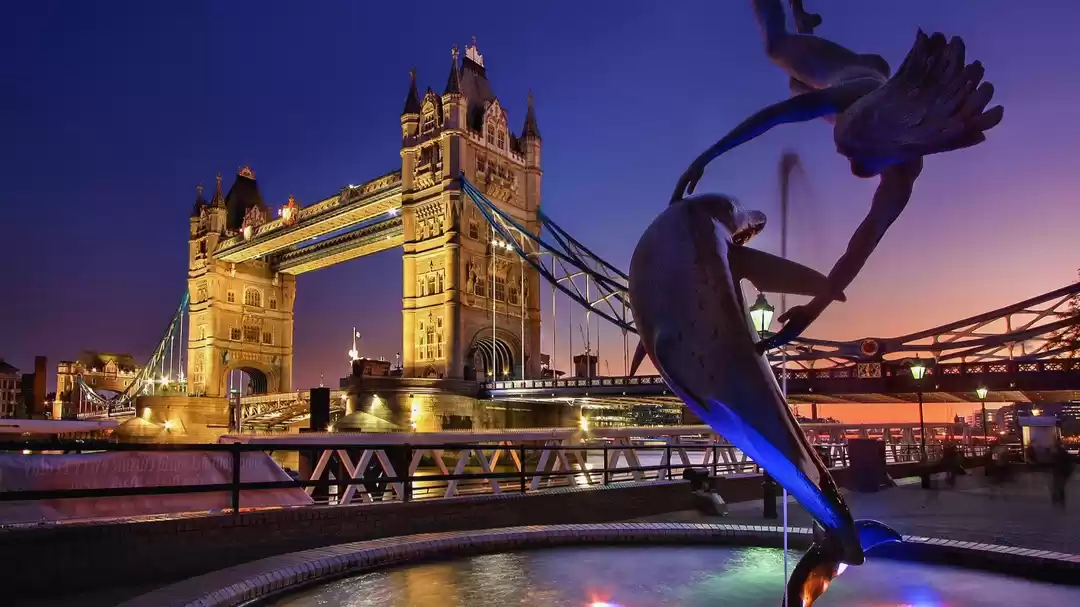
London enters 2026 as the single most-searched travel destination in the world, ahead of both Paris and New York, according to the Opodo Year in Travel report. That is not a coincidence. Few cities pack this much history, culture, and constant reinvention into one place — centuries-old landmarks sit a ten-minute walk from some of the most talked-about new openings in Europe, and the whole thing runs on a transport network good enough that you rarely need a car.
This guide covers the areas that actually deserve your time in 2026: the landmarks worth queuing for, the neighborhoods worth a lazy afternoon, the museums that charge nothing at the door, where to eat without overpaying, the best day trips if you have a week instead of a long weekend, and a full five-day itinerary you can copy directly. Whether this is your first visit or your fifth, there is enough here to shape a trip around.
- 1. A Very Brief History (Why the City Looks the Way It Does)
- 2. Iconic Landmarks You Shouldn't Skip
- 3. Neighborhoods Worth a Full Afternoon
- 4. Museums and Culture (Most Are Free)
- 5. Parks and Green Spaces
- 6. Where to Eat: London's Food Scene
- 7. Nightlife and Entertainment
- 8. Best Day Trips from London
- 9. Shopping in London
- 10. Budget Tips for Visiting London
- 11. Getting Around and Practical Tips
- 12. A Ready-Made 5-Day Itinerary
- 13. Frequently Asked Questions
1. A Very Brief History (Why the City Looks the Way It Does)
London's layout only makes sense once you know it grew for nearly two thousand years without a master plan. The Romans founded Londinium on the Thames in AD 43, and the medieval street pattern that survives in the City of London today still traces those original Roman roads. The Great Fire of 1666 destroyed most of the old wooden city, which is why so much of central London's grandest architecture — including St Paul's Cathedral — dates from the rebuilding that followed rather than from the medieval period itself.
The Victorian era added the Underground (the world's first metro system, opened in 1863), most of the grand museums, and the row-house terraces that define neighborhoods like Notting Hill and Kensington today. The 20th century brought the Blitz, postwar rebuilding, and eventually the glass towers of Canary Wharf and the City that now share the skyline with buildings centuries older. Knowing this rough timeline makes the contrast between a Roman-era church wall and a 40-story glass tower two streets away feel less random and more like the point.
2. Iconic Landmarks You Shouldn't Skip
The Tower of London and its Crown Jewels remain the single most-visited historic site in the city, and the lines move faster if you book a timed-entry ticket in advance rather than buying at the gate. Give it at least two hours — the White Tower's armor collection and the Yeoman Warder tours are both worth building time around. From there, it is a short walk along the Thames to Tower Bridge, one of the most photographed structures in the UK, with a glass-floor walkway 42 metres above the river for anyone who wants the view without the vertigo excuse.
Buckingham Palace and the Changing of the Guard draw the biggest crowds mid-morning, so arrive at least 30 minutes early if you want an unobstructed view of the forecourt. The ceremony doesn't run daily year-round, so check the official schedule before planning your morning around it. Westminster Abbey, where coronations have taken place for nearly a thousand years, and the Houses of Parliament with Big Ben's newly restored clock face round out the classic first-day itinerary. St Paul's Cathedral, with its climbable dome and Whispering Gallery, is often skipped by first-timers in favor of Westminster — it shouldn't be.
Quick-reference: Landmark visiting times
| Landmark | Best time to visit | Typical time needed |
|---|---|---|
| Tower of London | Opening time (9:00 AM) | 2–3 hours |
| Buckingham Palace | Before 10:30 AM for the guard change | 1 hour |
| Westminster Abbey | Early afternoon, weekdays | 1.5 hours |
| St Paul's Cathedral | Late afternoon | 1.5–2 hours |
For modern skyline views, two spots outperform the rest. The Shard, Western Europe's tallest building, has a viewing platform on floors 68–72 with 360-degree views that stretch past the city limits on a clear day, though tickets are pricier than most attractions on this list and worth booking for sunset. Sky Garden, inside the "Walkie-Talkie" building at 20 Fenchurch Street, offers a similar view for free — it requires advance online booking, but it is one of the better-value stops in central London precisely because most visitors don't know it exists.
3. Neighborhoods Worth a Full Afternoon
London rewards visitors who get off the landmark trail and spend unstructured time in its neighborhoods. Each one has a distinct character, and none of them require a guided tour to enjoy.
- Shoreditch — East London's street art, independent coffee shops, and the best weekend markets (Brick Lane, Columbia Road Flower Market on Sundays).
- Notting Hill — pastel townhouses, Portobello Road Market, and quieter residential streets that feel far removed from central London's pace.
- Camden — canal-side markets, live music venues with real history, and an eclectic, mostly street-food-driven dining scene.
- South Bank — river walks, street performers, and views back across to the City skyline; also home to the London Eye and the Southbank Centre.
- Covent Garden — cobbled piazza, street performance, and a mix of boutique shopping and theatre-district energy.
- Mayfair — for a quieter, upscale afternoon: art galleries, tailoring on Savile Row, and some of the city's most consistent Michelin-starred dining.
If you only have time for two, pair one high-energy neighborhood (Shoreditch or Camden) with one quieter one (Notting Hill or Mayfair) — the contrast is part of what makes London interesting rather than just another big city.
4. Museums and Culture (Most Are Free)
London's major national museums — the British Museum, the Natural History Museum, the Science Museum, and Tate Modern — charge no general admission fee, which is unusual among world capitals and one of the best reasons to build extra museum time into a trip on a budget. The British Museum's Egyptian and Assyrian galleries alone justify a half-day visit; go early or late in the day to avoid the worst of the crowds around the Rosetta Stone.
Tate Modern's Turbine Hall regularly hosts large-scale installations worth planning a trip around, and the free view from its rooftop terrace over St Paul's and the City is one of the better photo spots in London that most visitors miss. The Victoria and Albert Museum (V&A) is the pick for anyone interested in design, fashion, and decorative arts, and it is significantly quieter than the British Museum on most weekdays.
5. Parks and Green Spaces
Hyde Park and the adjoining Kensington Gardens offer more than 350 acres to wander, including the Serpentine lake, the Princess Diana Memorial Playground, and Speakers' Corner on Sunday mornings. Regent's Park, home to London Zoo and the Open Air Theatre, is a quieter alternative slightly north of the centre, with some of the best-maintained rose gardens in the city during summer. Greenwich Park, across the river, adds a working observatory, the Prime Meridian line, and sweeping views back over Canary Wharf and the City — worth combining with a day trip to Greenwich itself (see section 6).
6. Where to Eat: London's Food Scene
London's reputation for bland food is at least a decade out of date. Borough Market, near London Bridge, remains the best single stop for sampling a huge range of British and international food stalls in one place — go on a weekday morning to avoid the worst of the weekend crowds. Brick Lane's curry houses reflect one of the city's most established immigrant communities and remain some of the best-value dinners in the city, and the friendly rivalry between competing restaurants touting for custom on the street is part of the experience.
For a more traditional experience, afternoon tea is worth doing at least once — hotels like The Ritz and Claridge's are the classic (and pricier) choices, but plenty of smaller tea rooms across South Kensington and Marylebone offer the same format for a fraction of the cost. At the higher end, London holds more Michelin-starred restaurants than any other city in Europe, concentrated mostly around Mayfair and Soho, so it is worth booking weeks ahead if a specific restaurant is the goal rather than the neighborhood.
Street food markets have become a legitimate alternative to sit-down dining. Maltby Street Market (a smaller, less crowded cousin of Borough Market), KERB's various pop-up locations, and Broadway Market in London Fields all rotate vendors regularly and tend to be cheaper than anything comparable in a restaurant. Sunday roasts, a distinctly British institution of roasted meat, potatoes, and Yorkshire pudding, are worth seeking out at a proper pub rather than a chain — most neighborhood pubs run a roast menu on Sundays only.
7. Nightlife and Entertainment
The West End's theatre district rivals Broadway for scale and quality, with everything from decades-running musicals to serious new drama within a few streets of Leicester Square. Same-day discount tickets are available at the official TKTS booth in Leicester Square, and are usually a better deal than third-party resale sites. For live music, Camden's venues (the Roundhouse, Electric Ballroom) have hosted major acts for decades, while smaller pubs across Shoreditch and Peckham offer a more low-key, unpolished alternative most evenings of the week.
London's pub culture deserves its own mention separate from "nightlife" in the club sense — a proper local pub, ideally one with some age to it, is one of the more reliably good evenings a visitor can have, and doesn't require booking ahead the way a bar or club night usually does. For a bigger night out, Shoreditch and Hackney host most of the city's newer club nights, while Soho remains the most reliable area for a late bar crawl within walking distance of a Tube station.
8. Best Day Trips from London
If your trip runs five days or longer, at least one day outside the city is worth the trade-off against another day of central sightseeing.
- Windsor Castle — the oldest and largest occupied castle in the world, roughly 45 minutes from central London by train, and easily done as a half-day trip.
- Greenwich — technically inside Greater London but with a distinct village feel; combine the Royal Observatory, the Cutty Sark, and Greenwich Market into one relaxed day, reachable by river boat for a scenic approach.
- Oxford or Cambridge — both under 90 minutes by train, and each worth a full day for their historic colleges, though trying to fit both into one trip usually means rushing both.
- Stonehenge and Bath — a longer day (often best done as a guided day tour) combining the prehistoric monument with Bath's Roman baths and Georgian architecture.
9. Shopping in London
Oxford Street and Regent Street cover the mainstream flagship stores, but the more interesting shopping is usually elsewhere. Portobello Road Market in Notting Hill is the pick for antiques and vintage finds, particularly on Saturdays when the full market runs. Camden Market leans toward alternative fashion, vinyl, and independent designers. For a single indoor stop, Liberty London's Tudor-revival building on Great Marlborough Street is worth visiting for the architecture alone, even without buying anything. Visitors from outside the UK should ask about VAT refund eligibility at the point of purchase for larger purchases, since rules have changed in recent years and not all retailers process it the same way.
10. Budget Tips for Visiting London
London can be done far more cheaply than its reputation suggests if you plan around a few key facts. First, the major national museums are genuinely free — the British Museum, Natural History Museum, Science Museum, Tate Modern, and the National Gallery all charge no general admission, which alone removes one of the biggest costs of a typical European city trip. Second, public transport fares are daily-capped when paying by contactless card, so a full day of Tube travel never costs more than the cap regardless of how many journeys you take.
Accommodation is usually the single biggest expense, and prices vary enormously by neighborhood — staying just outside Zone 1 (in areas like Hackney, Peckham, or Shepherd's Bush) rather than in the absolute centre can cut lodging costs significantly while adding only a few extra minutes on the Tube. Lunch deals ("meal deals") sold at most supermarket chains are a genuinely useful budget option for a quick, cheap midday meal between sightseeing stops. Finally, many of the city's best experiences — walking the South Bank, wandering Notting Hill, watching the sunset from Primrose Hill or Greenwich Park — cost nothing at all.
11. Getting Around and Practical Tips
The Underground (the "Tube") is the fastest way to cover long distances across the city, and a contactless bank card works directly at the gates without needing a separate Oyster card — fares are automatically capped daily, so there is no need to plan routes around ticket cost. For up-to-date maps, fares, and service updates, the Transport for London website is the most reliable source, and it is worth checking before travel for planned engineering works, which regularly close sections of the network on weekends.
Currency is the British Pound (GBP); most visitors from the US, EU, and Commonwealth countries can enter for short tourist stays without a visa, though an Electronic Travel Authorisation (ETA) may be required depending on nationality — check current UK government guidance before booking flights. London is generally a safe city for tourists, with the usual precautions around pickpocketing in crowded tourist areas and on the Tube during rush hour. For a full breakdown of neighborhoods, seasonal events, and official visitor information, the Visit London tourism board maintains an up-to-date resource worth cross-checking against this guide before you travel.
12. A Ready-Made 5-Day Itinerary
13. Frequently Asked Questions
What is the best time of year to visit London?
Late spring (May–June) and early autumn (September) offer mild weather, longer daylight hours, and fewer crowds than peak summer months. December has strong appeal for Christmas markets and lights despite colder weather.
How many days do you need to see London's top attractions?
Four to five days covers the major landmarks, two museums, and two or three neighborhoods at a relaxed pace. A week allows time for at least one day trip outside the city.
Is London expensive to visit in 2026?
London remains one of the pricier European capitals, but free entry to major museums, an efficient public transport network, and affordable market food help offset accommodation and dining costs.
What neighborhood should first-time visitors stay in?
South Kensington and Covent Garden are popular first-time picks for their central location, walkability, and proximity to major sights.
Do I need a visa to visit London in 2026?
Requirements vary by nationality. Many visitors from the US, EU, and Commonwealth countries can enter visa-free for short stays, though an Electronic Travel Authorisation (ETA) may be required. Check current UK government guidance before booking.
Is the London Underground the best way to get around?
Yes for longer distances. The Tube covers the whole city quickly and a contactless bank card works directly at the gates. Walking or the bus network is often better for short hops between nearby sights.
Final Thoughts
London's mix of free-to-enter world-class museums, walkable historic neighborhoods, an efficient transport network, and a constant stream of new openings is why it holds the top spot in global travel searches heading into 2026. Plan around the landmarks in sections one and two, but leave at least one afternoon unscheduled for whichever neighborhood catches your eye — that unplanned time is usually what people remember most.