Best Places to Visit in Rome: The Complete Traveler's Guide
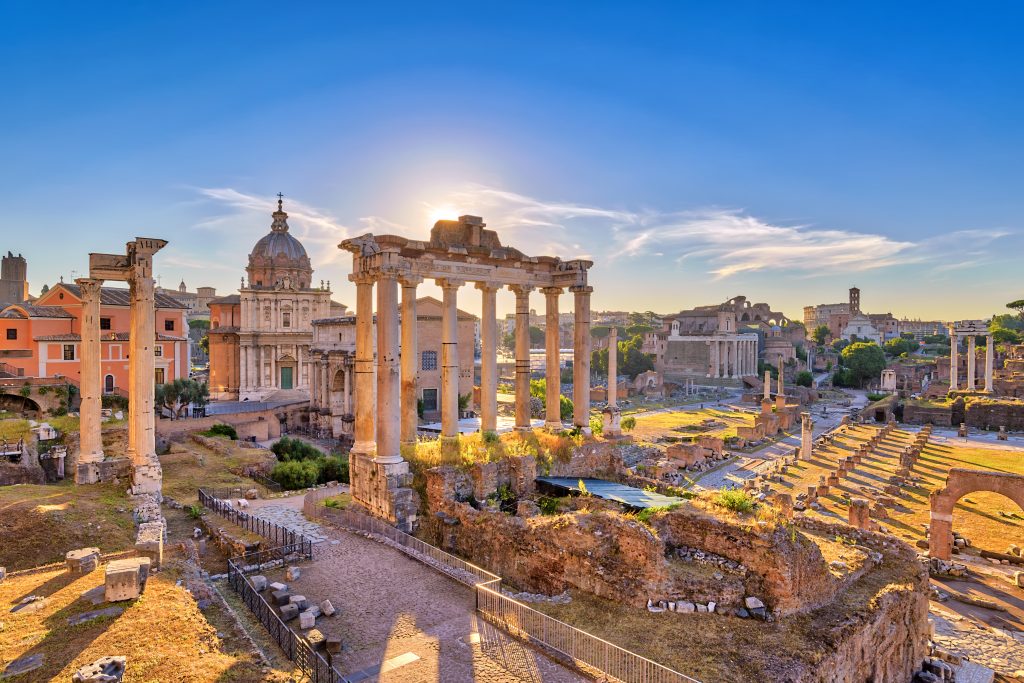
Rome opens 2026 as U.S. News & World Report's pick for the single best place to visit in the world, ahead of Tokyo, Prague, and the Swiss Alps. It is not a new discovery — Rome has been drawing travelers for roughly 2,000 years — but the city's mix of ancient ruins, Renaissance art, and a food scene that rarely disappoints keeps it near the top of every serious travel list, year after year.
This guide covers what actually deserves your time in 2026: the ancient sites worth the ticket price, the neighborhoods that reward slow wandering, the museums and churches that hold some of the most important art in the world, where to eat without falling into a tourist-trap trattoria, the best day trips if you have a week instead of a long weekend, and a full five-day itinerary you can copy directly.
- 1. A Very Brief History (Why Rome Looks the Way It Does)
- 2. Ancient Rome: The Landmarks You Shouldn't Skip
- 3. Neighborhoods Worth a Full Afternoon
- 4. Museums, Churches, and Art
- 5. Parks and Green Spaces
- 6. Where to Eat: Rome's Food Scene
- 7. Evenings and Aperitivo Culture
- 8. Best Day Trips from Rome
- 9. Shopping in Rome
- 10. Budget Tips for Visiting Rome
- 11. Getting Around and Practical Tips
- 12. A Ready-Made 5-Day Itinerary
- 13. Frequently Asked Questions
1. A Very Brief History (Why Rome Looks the Way It Does)
Rome's layers are literal, not just figurative. The city was founded, according to legend, in 753 BC, and centuries of empire, papal rule, and modern Italian statehood have each built directly on top of what came before rather than clearing it away. That is why a single block can contain an ancient Roman wall, a medieval church built into its ruins, and a Baroque facade added centuries later — all still standing, all still in use.
The fall of the Western Roman Empire in the 5th century didn't empty the city; it shifted power to the Catholic Church, which spent the next thousand-plus years commissioning the art and architecture that fills Rome's churches and museums today. The Renaissance and Baroque periods, driven largely by papal patronage, produced most of what visitors come to see now — Michelangelo's Sistine Chapel ceiling, Bernini's fountains and colonnades, and Caravaggio's paintings tucked into churches all over the historic centre, often free to view. Modern Rome, capital of a unified Italy only since 1871, wraps around all of it.
2. Ancient Rome: The Landmarks You Shouldn't Skip
The Colosseum is the obvious starting point and still worth every bit of its reputation — book a timed-entry ticket well in advance, since same-day tickets frequently sell out, especially April through October. A combined ticket usually includes the adjacent Roman Forum and Palatine Hill, and it is worth budgeting at least three hours to cover all three properly rather than rushing the Colosseum alone and skipping the rest.
The Pantheon, a nearly 2,000-year-old Roman temple with its original dome still intact, remains free to enter and is one of the best-preserved ancient buildings anywhere in the world — the oculus at the top of the dome is the building's only light source, and standing underneath it during a rain shower is a genuinely memorable moment. The Trevi Fountain, best visited early morning or late evening to avoid the worst of the daytime crowds, and the Spanish Steps round out the classic first-day walking route through the historic centre.
Quick-reference: Landmark visiting times
| Landmark | Best time to visit | Typical time needed |
|---|---|---|
| Colosseum + Forum + Palatine Hill | Opening time (9:00 AM) | 3 hours |
| Pantheon | Early morning or after 6:00 PM | 30–45 minutes |
| Trevi Fountain | Before 8:00 AM or after 10:00 PM | 20–30 minutes |
| Vatican Museums + Sistine Chapel | Opening time, booked online | 3–4 hours |
Vatican City, a separate sovereign state entirely surrounded by Rome, deserves its own half-day at minimum. St. Peter's Basilica is free to enter, though the line moves fastest early morning, and climbing the dome rewards visitors with one of the best rooftop views in the city. The Vatican Museums, culminating in the Sistine Chapel, hold one of the largest art collections in the world — book tickets online well ahead, since walk-up lines regularly stretch for hours.
3. Neighborhoods Worth a Full Afternoon
Rome rewards visitors who slow down between the major sights rather than sprinting from landmark to landmark. Unlike cities built around a single obvious "old town," Rome's neighborhoods each grew up around a different trade, hill, or river bend, and that history still shows in how each one feels today. Each neighborhood below has a distinct character worth an unhurried afternoon.
- Trastevere — cobblestone alleys, ivy-covered facades, and the best concentration of small trattorias and evening wine bars in the city.
- Monti — Rome's oldest rione (district), now full of vintage shops and wine bars, a short walk from the Colosseum but with a distinctly local feel.
- Testaccio — a working-class neighborhood built around Rome's historic slaughterhouse district, now home to some of the city's most respected traditional Roman cooking.
- Prati — orderly, elegant streets near the Vatican, popular with visitors who want a quieter base within walking distance of St. Peter's.
- Campo de' Fiori — a lively morning market square that becomes a busy aperitivo and nightlife spot after dark.
- Jewish Ghetto — one of Europe's oldest Jewish quarters, with a distinct culinary tradition (try carciofi alla giudia, Roman-Jewish style fried artichokes) alongside serious historical weight.
If you only have time for two, pair Trastevere's evening atmosphere with Monti's daytime wandering — the contrast captures both sides of how Romans actually use their neighborhoods.
4. Museums, Churches, and Art
Beyond the Vatican Museums, the Galleria Borghese houses one of the finest small art collections in the world, including major Bernini sculptures and Caravaggio paintings — entry is timed and capped at a limited number of visitors per two-hour slot, so it must be booked online in advance, often weeks ahead in high season. The Capitoline Museums, sitting atop Michelangelo-designed piazzas, hold the oldest public art collection in the world and offer some of the best views over the Roman Forum from their terrace café.
Beyond the famous names, Rome's churches double as free museums in their own right. Santa Maria del Popolo and San Luigi dei Francesi both hold major Caravaggio works available to view for free (a coin-operated light box illuminates the paintings in dim side chapels), and Santa Maria Sopra Minerva sits on the site of an ancient temple to Minerva with a Bernini elephant obelisk sculpture out front.
5. Parks and Green Spaces
Villa Borghese, Rome's most central large park, houses the Galleria Borghese, a small lake with rowboat rentals, and a terrace overlooking the Piazza del Popolo with views across the whole city — one of the best free sunset spots in Rome. The Orange Garden (Giardino degli Aranci) on the Aventine Hill offers a quieter, less crowded panoramic view, and the nearby "keyhole" at the Priory of the Knights of Malta frames a perfectly centered view of St. Peter's dome through a garden hedge, a small detail most visitors miss entirely.
6. Where to Eat: Rome's Food Scene
Roman cuisine is built around a small set of pasta dishes done extremely well: cacio e pepe, carbonara, amatriciana, and gricia, all variations on a similar base of pasta, cheese, and (for three of the four) cured pork. Trastevere and Testaccio hold the highest concentration of trattorias doing these dishes properly, and a genuinely good sign is a menu that doesn't try to do too much beyond the Roman classics.
Supplì (fried rice balls, Rome's answer to arancini) and pizza al taglio (pizza by the cut, sold by weight rather than as a whole pie) are the best cheap, fast options between sightseeing stops. For a sit-down meal, avoid restaurants with photo menus and touts standing outside near major tourist sites — those are reliably the worst value in the city. Testaccio Market, a covered food hall away from the main tourist circuit, is one of the better spots for an inexpensive, high-quality lunch among locals rather than other tourists.
7. Evenings and Aperitivo Culture
Aperitivo — an early-evening drink typically served with a spread of light snacks included in the price — is the centerpiece of a Roman evening, usually running from around 6:30 to 8:30 PM before dinner. Campo de' Fiori and Trastevere hold the highest concentration of aperitivo bars, and the format is a genuinely good way to sample several small bites without committing to a full restaurant meal.
Later in the evening, Testaccio has become the city's main nightlife district, with clubs and late bars concentrated around the old slaughterhouse buildings that have been converted into venues. For a quieter evening, an after-dark walk past the illuminated Trevi Fountain and Pantheon costs nothing and avoids the daytime crowds almost entirely — many of Rome's best views are genuinely better at night than during the day.
8. Best Day Trips from Rome
If your trip runs five days or longer, at least one day outside the city is worth the trade-off against another day in the historic centre.
- Pompeii and Herculaneum — roughly 2.5 hours by train from Rome (usually done via Naples), and easily the most significant ancient ruin site in Italy outside Rome itself.
- Tivoli — under an hour away, home to the Renaissance gardens and fountains of Villa d'Este and the ruins of Hadrian's Villa, both UNESCO World Heritage sites.
- Ostia Antica — Rome's ancient port city, roughly 30 minutes by train, offers a less crowded alternative to Pompeii with genuinely impressive ruins and a fraction of the visitors.
- Orvieto — a hilltop Umbrian town about 80 minutes by train, known for its Gothic cathedral facade and underground cave network, popular as a quieter countryside contrast to Rome.
9. Shopping in Rome
Via dei Condotti and the streets around the Spanish Steps hold Rome's luxury flagship stores, but the more interesting shopping is usually elsewhere. Monti's vintage and small-designer boutiques are a better fit for anyone looking for something less generic than a flagship store carries everywhere else, and prices there tend to be friendlier than the immediate Spanish Steps area. Campo de' Fiori's morning market is worth a browse for local food products — olive oil, dried porcini, and spices — that travel well and make better souvenirs than most gift-shop options near the major sites. Book and print shops around the Pantheon and Via del Governo Vecchio are also worth a slower browse if you want something more distinctive than a magnet or keychain. Visitors from outside the EU should ask about VAT refund eligibility at the point of larger purchases, since the paperwork process varies by retailer and airport.
10. Budget Tips for Visiting Rome
Rome can be done more cheaply than its "eternal city" reputation suggests. Most churches, including several holding major Caravaggio and Bernini works, are free to enter, and simply walking the historic centre past the Pantheon, Trevi Fountain, and Piazza Navona costs nothing at all. The Roma Pass, sold in 48- and 72-hour versions, bundles free entry to a couple of major sites with public transport and can be worth it if you're planning to hit the Colosseum plus one or two paid museums in a short window — do the math against individual ticket prices before buying, since it isn't always the better deal for shorter trips.
Pizza al taglio and supplì make for genuinely good, cheap meals between sights rather than a compromise, and a coffee at the counter (standing, Italian-style) costs a fraction of the same drink served at a table with a view of a piazza. Accommodation in Monti or Testaccio tends to be more affordable than staying immediately around the Spanish Steps or Piazza Navona, while still being an easy walk or short bus ride from the historic centre.
11. Getting Around and Practical Tips
Rome's historic centre is compact enough that walking is usually the fastest way to move between major sights — the Colosseum, Pantheon, Trevi Fountain, and Piazza Navona are all within roughly a 30-minute walk of each other. The metro is useful mainly for reaching the Vatican or destinations further from the centre; Rome's two-line system is smaller than London's or Paris's, since extensive archaeological finds regularly halt new construction. For up-to-date routes and fares, the ATAC public transport website is the official source.
Currency is the Euro; most visitors from the US, UK, and many other countries can enter for short tourist stays without a visa under the Schengen rules, though this can change, so it's worth checking current requirements before booking. Rome is generally safe for tourists, with the usual precautions around pickpocketing near major sights and on crowded public transport. For official event listings, opening hours, and seasonal information, the Turismo Roma official tourism site is worth checking before your trip, particularly around Vatican opening hours, which vary by season and around religious holidays.
12. A Ready-Made 5-Day Itinerary
13. Frequently Asked Questions
What is the best time of year to visit Rome?
April, May, late September, and October offer mild temperatures and thinner crowds than the peak summer months of July and August, when heat and tourist volume both peak.
How many days do you need to see Rome's top attractions?
Four to five days covers the Colosseum and Roman Forum, the Vatican Museums and St. Peter's, and two or three neighborhoods at a relaxed pace. A week allows time for a day trip to Pompeii or the Amalfi Coast.
Do I need to book Colosseum and Vatican tickets in advance?
Yes. Both sites regularly sell out same-day tickets, especially April through October. Booking online at least a few days ahead, and ideally weeks ahead for peak season, is strongly recommended.
Is Rome expensive to visit in 2026?
Rome is moderately priced compared to other major European capitals. Church visits are free, many piazzas and fountains cost nothing to see, and a simple lunch at a neighborhood trattoria remains affordable relative to London or Paris.
What neighborhood should first-time visitors stay in?
Monti and the area around the Pantheon are popular first-time picks for their central, walkable location within easy reach of the major sights.
Is walking the best way to get around Rome?
For the historic centre, yes — most major sights are within a comfortable walking radius of each other. The metro is useful for reaching the Vatican or destinations further out, but Rome's small, two-line metro system is more limited than London's or Paris's.
Final Thoughts
Rome's ability to layer ancient ruins, Renaissance art, and genuinely good food into a single walkable historic centre is exactly why it holds the top spot on global "best places to visit" lists heading into 2026. Book the Colosseum and Vatican tickets before you land, but leave at least one evening unplanned for Trastevere or a rooftop view at sunset — that unstructured time is usually what people remember longest after they've forgotten which museum came first.